Suomi
 Svenska
 Українська
Condition inspections for water filtration and glycol systems
The condition of heating, cooling and water treatment systems has a direct effect on energy consumption and service life. Wear, sludge and limescale gradually weaken a system, often without anyone noticing. A condition inspection reveals small faults before they turn into costly damage.
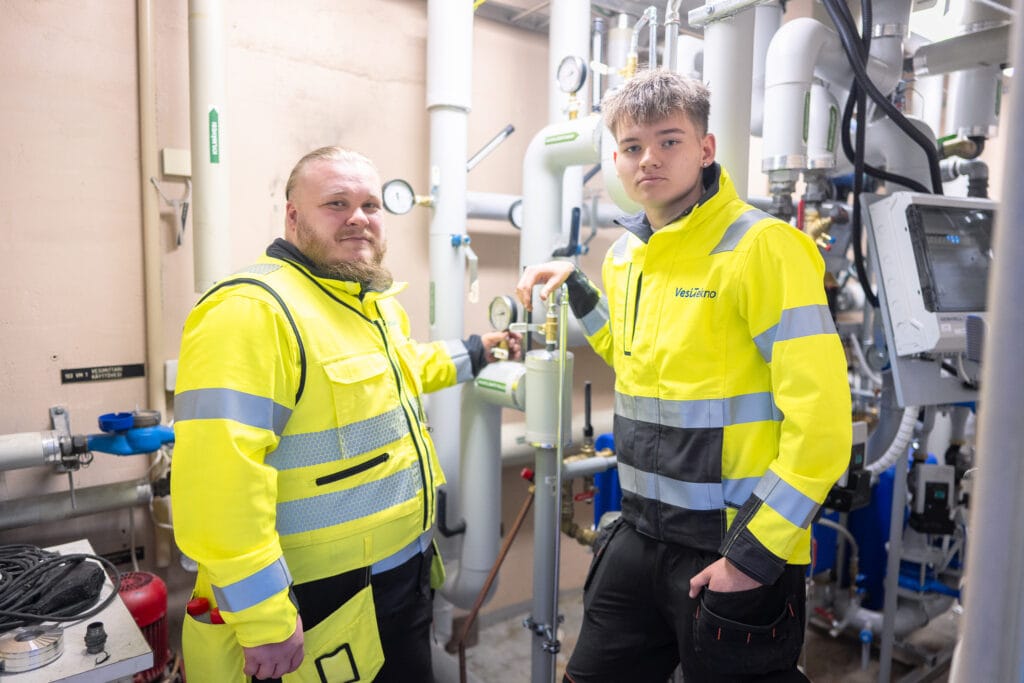
We inspect water filtration systems in housing companies (residential properties) and industrial properties, as well as glycol-based heating and cooling systems. We can also help when we were not involved in installing the system.
What does a condition inspection cover?
The aim of a condition inspection is to establish the actual condition of the system, any problems, and the need for maintenance and repairs before they cause disruption or extra costs.
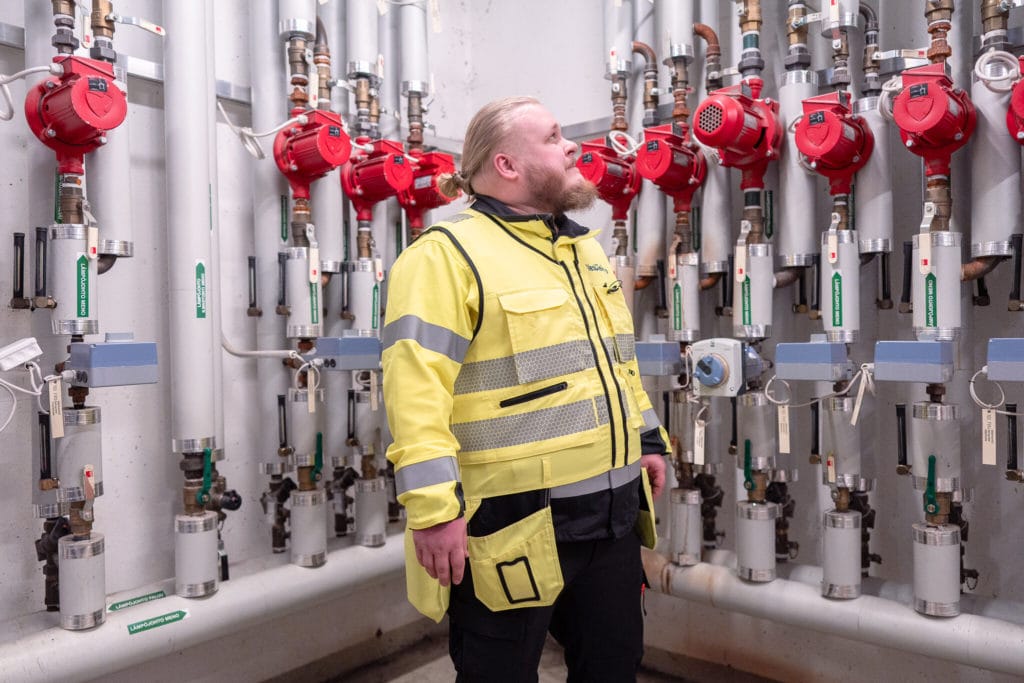
An inspection typically examines:
- The general condition of the heating or cooling network
- The concentration, pH and condition of the heat transfer fluid
- The cleanliness of the system water and any sediment, magnetite and corrosion
- The operation of filters, separators and equipment
- Network pressures, temperatures and flow conditions
- Air problems and their effect on system operation
- Factors affecting energy efficiency
- Potential leakage, corrosion and reliability risks
If needed, we take fluid or water samples for laboratory analysis. This allows a more precise assessment of, for example, the amount of corrosion products and whether the fluid is fit for continued use.
After the condition inspection, the customer has a clear picture of the current state of the system, along with recommendations on any cleaning, fluid replacement, filtration or other maintenance measures.
How often should an inspection be carried out?
The general recommendation is to inspect the system once a year. Demanding industrial sites may need more frequent inspections. Our experts set the inspection interval according to the site.
What are the risks of neglecting inspections?
- Higher energy consumption: a fouled or incorrectly adjusted system uses more electricity and heat.
- Equipment damage: small faults can quickly develop into bigger and more expensive problems.
- Downtime: a sudden system failure can bring operations to a complete halt, causing unnecessary costs and disruption.
- Greater hygiene and safety risks: deteriorating water quality, for example, can affect both living comfort and process safety.
When should glycol or heat transfer fluid be replaced? 5 signs
Heat transfer fluid does not last for ever. Over time its corrosion protection weakens, impurities build up and its heat transfer capacity can decline. The condition of the fluid affects both heat transfer efficiency and system safety. The following signs indicate that the fluid should be checked and replacement considered:
1. The pH has dropped and the corrosion inhibitor concentration has fallen
A pH that is too low shows that the protective additives in the fluid have been used up. This increases the risk of corrosion in pipework, heat exchangers and equipment.
2. The fluid is cloudy or contains sediment
Cloudiness, discolouration or visible sediment point to impurities, corrosion products or breakdown of the additives.
3. System performance has declined
If heating or cooling output has dropped for no other obvious reason, the cause may be aged or contaminated heat transfer fluid.
4. There is corrosion or blockage in the network
Rust, magnetite, sludge build-up and clogging filters are signs that the fluid no longer protects the system adequately.
5. The fluid is more than 5–10 years old
Even if no problems are apparent, the properties of heat transfer fluid deteriorate over time. A regular condition inspection and laboratory analysis show whether the fluid is still fit for use.
VesiTekno checks the concentration, pH, freezing point and general condition of the heat transfer fluid. If needed, samples are analysed in an accredited laboratory, and the results are used to assess the remaining service life of the fluid and whether it needs replacing.
After the inspection
If the inspection finds anything that needs fixing, we take care of the follow-up work: cleaning and flushing the network, replacing the fluid, filling and venting, and installing a filter if needed. Regular inspections can be included in a maintenance agreement.
Who is the service for?
A condition inspection suits sites where the reliability of the heating, cooling or water treatment system is important:
- Housing companies and property companies
- Construction companies
- Industrial sites and the food industry
- Data centres
- Ice rinks and freezing plants
How much does an inspection cost?
The price of a condition inspection depends on the size and location of the site and on the measurements and sampling required. In small properties an inspection is usually quick to carry out, whereas for large heating, cooling and glycol networks the scope of the inspection is defined site by site.
A condition inspection can typically include:
- Visual inspection of the system
- Condition measurements of the heat transfer fluid or glycol
- Checking pH, concentration and freezing point
- Assessment of the general condition of the network
- Maintenance and improvement recommendations
If needed, samples can be sent to an accredited laboratory for more detailed analysis.
Request a quote and we will work out the scope and cost of an inspection for your site. A condition inspection often pays for itself quickly when problems are detected before costly faults or a rise in energy consumption.
Frequently asked questions